
 4243
4243
Why Companies Need an ERP System in 2026

 5 min read
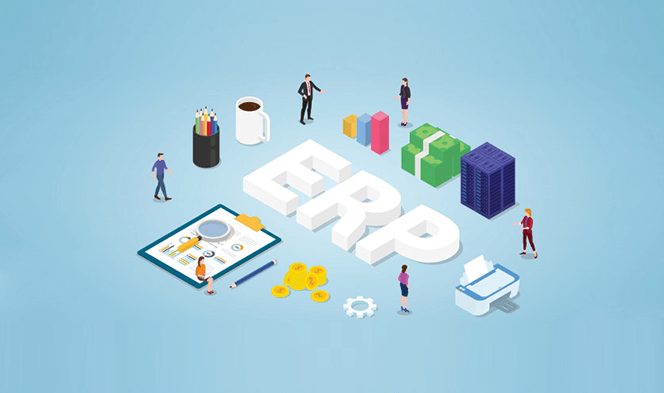
Every business has its own objectives, processes and requirements. Above all, today’s businesses need technologies with all those functions that can bridge the gap between business processes and people.
To run a large organization with multiple departments and teams successfully, an ERP system lends a helping hand by synchronizing all information and communication within the organization. ERP is a combination of software and a company’s activities performed to manage operations. With ERP software, the entire project value chain is aligned and critical processes are streamlined effectively.
So, why and when do you need an ERP system? When your business starts dropping the ball, lacking proper communications, or when you observe you are a major part of your time is going into paperwork rather than in actually running the business, you need to have an ERP system.
You need to set up various workflows and methods (automated & manual) which may or may not be documented formally. Implementing an ERP system requires a significant investment of time and money.
Read Also: How can we use ERP in manufacturing?
Implementing an ERP system within an organization changes the way people work. Top management has to be practical in explaining the reasons for implementation and how the business as a whole will benefit when the organization’s staff adopts it wholeheartedly. The following points can be good justifications for implementing an ERP system:
The following points can be good justifications for implementing an ERP system:
Read More: A comprehensive guide to ERP and Open-ERP Systems
Businesses prefer to implement an ERP system because they need improvement in internal business processes and overall business performance. They also want to reduce labor costs, IT expenses and improve interactions between staff and companies.
ERP implementation costs range from $15K-75K for small businesses, $75K-500K for mid-size companies, and $500K+ for enterprises. Key factors include software licensing (25-40% of budget), customization (30-45%), and training (10-20%). Cloud ERP software solutions typically cost $50-200 per user monthly with lower upfront investment than on-premise systems.
ERP implementation timelines: Small businesses (3-6 months), mid-size companies (6-12 months), enterprises (12-24+ months). Process includes planning (4-8 weeks), configuration (6-12 weeks), development/testing (8-16 weeks), and go-live (4-6 weeks). Cloud ERP software solutions deploy 50% faster than on-premise systems.
Cloud ERP offers lower upfront costs, faster ERP implementation (3-6 months), automatic updates, and remote access. On-premise provides complete control, extensive customization, and no ongoing subscriptions. 75% of businesses now choose cloud ERP software solutions for faster deployment and predictable costs.
Common ERP implementation challenges include inadequate planning (60% of failures), poor user training, data migration issues, over-customization, and unrealistic timelines. Solutions: invest in thorough requirements gathering, comprehensive training, data cleansing, minimal customizations, and experienced implementation partners.
Evaluate ERP software solutions based on functionality fit (80% requirements met), total cost of ownership, vendor stability, and implementation partner experience. Popular options: NetSuite/Odoo (small business), Dynamics 365/Sage (mid-market), SAP/Oracle (enterprise). Request demos with your actual data and check references from similar businesses.

Artificial Intelligence (AI)
Odoo
 52
52

By Uttam Jain
Odoo
156
By Uttam Jain
Odoo
129
By Uttam Jain